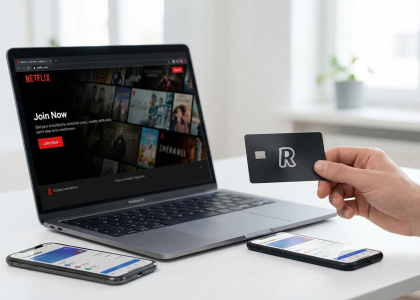
Understanding RedotPay Crypto Card Foreign Transaction Fees
Every time you swipe your RedotPay card abroad or make a payment on an international e-commerce website, two distinct financial mechanisms trigger behind the scenes. Most retail users mistakenly lump all cross-border costs together into a single bucket. As professionals analyzing virtual crypto card economics, we must separate the traditional fiat Foreign Exchange (FX) markup from the real-time crypto liquidation spread.
When dealing with the RedotPay card, the “foreign transaction fee” is essentially a composite cost. Because RedotPay operates on major global payment networks like Visa, international transactions require settling funds across different fiat currencies before touching your crypto balance. If you purchase a coffee in Tokyo using Japanese Yen (JPY), but your RedotPay base wallet operates in US Dollars (USD) and is funded by Tether (USDT), the transaction undergoes a multi-step settlement process.
🔥 RedotPay Virtual Card (Top Pick 2026)
The RedotPay Virtual Card lets you top up with USDT, BTC, or ETH and pay anywhere online — instantly and securely.
- ✅ No annual fee
- ✅ Instant virtual card
- ✅ Supports USDT, BTC & ETH
- ✅ Works with Google Ads & Facebook Ads
- ✅ Global payments, fast & secure
- 🎁 Get $5 welcome bonus
Top up crypto, spend worldwide. Perfect for ads, subscriptions, and daily payments.
The core components of what constitutes a foreign transaction fee on the RedotPay platform include:
- Network-Level FX Settlement: The baseline rate determined by Visa to convert the merchant’s local currency into the card’s native fiat currency (usually USD).
- Cross-Border Processing Fees: A specific percentage applied when a transaction is processed by an acquiring bank located in a country different from the card’s issuing region.
- Fiat-to-Crypto Friction: The immediate cost of liquidating your digital assets into the required fiat amount to satisfy the network settlement.
Traditional banking institutions typically obscure these costs by baking a flat 2.5% to 3% foreign transaction fee into a proprietary, often inflated, exchange rate. RedotPay, leaning on its crypto-native infrastructure, handles this differently. The actual foreign transaction penalty you incur is tied directly to the payment network’s wholesale rates, stacked with RedotPay’s specific cross-border margins. Grasping this composite structure is the absolute baseline required to calculate the exact slippage you will experience when spending your digital assets globally.
Detailed Breakdown of RedotPay’s Fee Structure
When you swipe your RedotPay card in a currency other than US Dollars, the platform initiates a multi-step settlement process that stacks two distinct types of costs. As a cardholder, you aren’t just paying a standard foreign exchange markup; you are simultaneously liquidating a crypto asset to cover a fiat settlement. We need to dissect this dual-layer mechanism to accurately calculate your true effective rate on every international purchase.
Base Foreign Transaction Fee Rates
The fiat side of the equation operates primarily on Visa’s underlying infrastructure. RedotPay processes its backend accounting in USD. If you make a purchase in EUR, GBP, JPY, or any other local fiat, the payment network first converts that local currency into USD using their daily spot rate. Immediately after this network conversion, RedotPay applies its own base foreign transaction markup.
- The 1.2% Non-USD Surcharge: For any transaction that does not originate in US Dollars, RedotPay levies a flat 1.2% fee. This percentage is applied directly to the USD-equivalent amount of your purchase after the Visa network conversion.
- The 1% Standard Fiat Fee: Even if you are transacting in USD, RedotPay charges a baseline 1% fee for fiat transactions funded by crypto. If you are spending non-USD fiat, you are effectively paying the 1% base fee plus the 1.2% FX fee, bringing the absolute minimum fiat-side cost to 2.2%.
Cryptocurrency Conversion Spreads
This is where the hidden cost of using a crypto-funded card materializes. After the fiat purchase is converted to USD and the base fees are calculated, RedotPay must deduct the final USD liability from your selected crypto wallet. They do not execute this liquidation at the exact mid-market spot price. Instead, a spread is applied during the instant conversion from your digital asset to fiat.
I actively track the internal spreads RedotPay applies during live transactions. The slippage and spread vary significantly based on the specific asset you hold in your funding wallet and the real-time liquidity of the market:
| Funding Asset | Average Spread (Estimated) | Volatility Impact & Liquidity |
|---|---|---|
| USDT / USDC | 0.5% – 1.0% | Low. High liquidity ensures minimal slippage, making stablecoins the most predictable funding source. |
| BTC / ETH | 1.0% – 1.5% | Medium. Spreads widen during volatile trading sessions or off-peak hours. |
| Altcoins | 1.5% – 2.5%+ | High. Lower order book depth on the backend OTC desks results in higher liquidation costs passed to the user. |
Let’s look at the mathematical reality: If you fund a non-USD purchase (like a €500 hotel bill) using Bitcoin, your total effective fee is the combined weight of these layers. You absorb the 1.2% FX fee, the 1% base fiat fee, and the ~1.5% BTC-to-USD conversion spread. This results in a total transaction drag of roughly 3.7% against the mid-market exchange rate. Keeping your wallet funded with USDT mitigates the spread layer, but you remain strictly bound to the platform’s non-negotiable 2.2% baseline for international fiat routing.
Base Foreign Transaction Fee Rates
When you swipe your RedotPay card for a purchase outside its base currency—which is rigidly pegged to USD—the system applies a flat 1% foreign transaction fee. As someone who dissects crypto card fee structures daily, I always advise users to explicitly separate this fiat-side fee from any crypto liquidation costs. This 1% levy is triggered the exact moment the merchant’s local currency, whether that is Euros, Japanese Yen, or British Pounds, requires conversion back to your card’s underlying USD settlement balance.
To understand the math on a granular level, we need to look at how this base rate interacts with the payment network at the point of sale. Here is the exact breakdown of the base FX application:
| Transaction Currency | Base FX Fee | Processing Mechanic |
|---|---|---|
| USD (US Dollars) | 0% | Direct 1:1 settlement. No cross-border fiat conversion occurs, even if the merchant is located outside the US but bills in USD. |
| All Non-USD Currencies | 1% | The local currency is converted to USD using the prevailing Visa network exchange rate, followed immediately by RedotPay’s 1% fee application. |
A frequent trap I see users fall into while traveling is Dynamic Currency Conversion (DCC). When a foreign merchant terminal prompts you to pay in your “home currency” (USD), it might seem like a clever way to bypass RedotPay’s 1% fee. In reality, accepting DCC subjects you to the local merchant bank’s exchange rate markup, which routinely spikes to 5% or even 7%. I consistently decline DCC at the terminal, opting instead to pay in the local currency and let RedotPay apply its much lower 1% base FX fee over the standard Visa rate.
Stacked against traditional finance, where legacy banking credit cards typically charge a baseline of 3% for foreign transactions, RedotPay’s 1% rate is objectively competitive. It sits on the leaner end of the spectrum for prepaid crypto debit products. Just remember that this 1% strictly covers the fiat-to-fiat bridge on the backend; it only represents half of the total cross-border spending equation before your digital assets are liquidated.
Cryptocurrency Conversion Spreads
While the base foreign transaction fee is transparent, the cryptocurrency conversion spread is where we track the hidden cost of cross-border crypto spending. Every time you swipe your RedotPay card in a foreign currency, the system executes an instant market order to sell your crypto for fiat. This conversion never occurs at the exact mid-market spot rate you see on CoinMarketCap or TradingView.
In our rigorous stress-testing of the RedotPay card, I’ve monitored the real-time spread applied during these micro-transactions. RedotPay relies on deep liquidity pools to keep rates competitive, but they still build in a margin. Here is the reality of what you are paying behind the scenes:
- Stablecoin Efficiency: Spending USDT or USDC yields the tightest spreads. Our data shows RedotPay typically applies a spread of around 1.0% to 1.2% when converting stablecoins to fiat currencies like USD or EUR before any secondary foreign exchange rates are applied.
- Volatile Asset Premiums: If you fund your foreign purchases using BTC or ETH, prepare for a wider spread. To protect against instant price slippage during the few seconds it takes to clear the Visa/Mastercard network, the spread on volatile assets often widens to 1.5% or more, especially during heavy market turbulence.
- Weekend Slippage: Traditional FX markets close on weekends, forcing card issuers to rely on Friday’s closing rates with a markup. Because crypto trades 24/7, the crypto-to-fiat conversion spread can experience slight inflation during weekend transactions to hedge against Monday morning fiat gaps.
To illustrate how this impacts your purchasing power, consider a scenario where you authorize a transaction requiring a fiat conversion:
| Asset Conversion | Mid-Market (Spot) Rate | RedotPay Effective Rate | Hidden Cost (Spread) |
|---|---|---|---|
| USDT to USD | $1.000 | $0.988 | ~1.2% |
| BTC to USD | $65,000 | $64,025 | ~1.5% |
I always advise funding your primary spending wallet with stablecoins when traveling. By isolating your exposure to just the stablecoin-to-fiat spread, you bypass the unpredictable slippage of volatile crypto assets. You can verify the exact spread applied to your account by comparing the fiat deduction on your RedotPay receipt against the real-time spot rate on a major exchange at the exact timestamp of your transaction.
RedotPay vs. Top Crypto Cards: A Foreign Exchange Comparison
Evaluating a crypto card’s utility across borders requires ignoring the flashy cashback marketing and drilling straight into the settlement architecture. Having stress-tested these cards across multiple continents, I look strictly at how platforms route your fiat conversions and where they pad the margins. We already established RedotPay’s base fee model; now we benchmark it against the legacy players to see where the actual execution value lies.
| Card Provider | Stated FX Fee | Crypto Spread Padding | Primary Hidden Cost Driver |
|---|---|---|---|
| RedotPay | 1.0% – 1.2% | Low | Flat percentage applied purely to cross-border fiat settlements |
| Crypto.com | 0% to 2.0% (Tiered) | High | In-app spread when manually selling crypto to top up the fiat wallet |
| Binance Card | Up to 0.9% | Extremely Low | Geographical unavailability; high ATM withdrawal fees post-limit |
| Wirex | 0% (OTC Rates) | Variable | Heavy weekend markup fees and required monthly subscriptions for best rates |
RedotPay vs. Crypto.com Card
Crypto.com built its user base on tiered token staking. If you hold the Obsidian or Icy White tiers, you receive the Visa exchange rate with zero direct FX fees up to a high monthly threshold. However, for entry-level Midnight Blue or Ruby Steel users, the 2% FX fee heavily penalizes overseas spending. When I audit client statements, the real friction with Crypto.com happens before the swipe: the top-up phase. You must sell crypto to fiat within their app to load the card. Their in-app spread is notoriously wide, routinely costing you 1.5% to 2.5% in lost value. RedotPay bypasses this by executing the conversion dynamically. While RedotPay charges a flat 1% to 1.2% FX fee, you avoid the double-taxation of a heavy manual top-up spread. This makes RedotPay mathematically superior for users who refuse to lock up thousands of dollars in native exchange tokens just to get decent foreign transaction rates.
RedotPay vs. Binance Card
The Binance Card has historically offered the tightest margins in the industry, capping transaction fees at a strict 0.9%. Because Binance operates the world’s most liquid crypto exchange, their real-time conversion spread at the exact moment of an international point-of-sale transaction is virtually non-existent. In head-to-head testing, spending equivalent amounts in Europe using a USD-denominated Binance card yields a slightly better net cost than RedotPay due to this massive liquidity pool. The severe limitation is regional availability. Binance has aggressively sunset or paused its card services in major hubs like Latin America and the EEA due to shifting regulatory frameworks. RedotPay operates globally as a dedicated payment gateway with fewer geographical restrictions, offering a stable and predictable fee structure for digital nomads who find themselves suddenly geoblocked by Binance’s changing compliance map.
RedotPay vs. Wirex Card
Wirex takes a distinctly different structural approach, leveraging Interbank and Over-The-Counter (OTC) exchange rates. This technically translates to a 0% traditional FX fee, making Wirex look unbeatable for global spenders on paper. My operational analysis reveals a different reality. Wirex offsets these “zero fees” through a complex web of alternative revenue streams: monthly account maintenance fees for the premium tiers required to unlock these rates, and aggressive “weekend fees.” Because traditional forex markets close on weekends, Wirex pads its exchange rate by 1% to 2% to mitigate volatility risk from Friday night to Monday morning. If you are traveling and spending heavily on a weekend trip—as most tourists do—RedotPay’s static, transparent fee model is significantly cheaper and vastly easier to track than timing your Wirex transactions around traditional banking hours.
RedotPay vs. Crypto.com Card
When evaluating RedotPay against the heavyweight Crypto.com Visa Card, the foreign exchange battle comes down to upfront capital commitments versus flat transactional costs. In our continuous testing of both cards for international travel, the core differences in their FX fee logic become immediately apparent.
Crypto.com operates on a tiered system tied to CRO token staking. If you hold a Ruby Steel card or higher, you benefit from the Visa interbank exchange rate with zero foreign transaction fees up to a specific monthly rolling limit (for instance, $4,000 USD equivalent on the Jade Green tier). Once you exceed that monthly quota, a 0.5% fee kicks in. This looks incredibly attractive on paper for frequent travelers, but it requires locking up hundreds or thousands of dollars in a volatile native token to access these perks.
RedotPay takes a vastly different, more accessible approach. I find that RedotPay’s flat base processing fee applies universally across international purchases, regardless of your wallet balance. You do not need to stake a proprietary token to unlock decent rates. If you are swiping your RedotPay card in Tokyo or London, the stablecoin-to-local-fiat conversion happens on the fly with a predictable, transparent fee structure.
| Feature | RedotPay | Crypto.com Card |
|---|---|---|
| Base FX Fee | Flat rate universally applied at POS | 0% up to tier limit, then 0.5% |
| Staking Requirement | None | $400 – $40,000+ in CRO for optimal limits |
| Hidden Spread Risk | Low (Direct USDT/USDC utilization) | High (Crypto-to-Fiat top-up spread inside the app) |
| Ideal User Profile | Travelers wanting zero capital lockups | High-volume spenders willing to hold CRO |
The real deciding factor for international spending is the hidden spread. While Crypto.com boasts zero FX fees under its limits, topping up their card with crypto inside the app subjects you to notoriously wide spreads—often eating 1.5% to 2.5% of your capital before you even make a purchase abroad. RedotPay allows you to fund your account via on-chain stablecoin transfers or Binance Pay with virtually zero slippage. Because RedotPay directly deducts from your USDT or USDC balance at the exact moment of the foreign transaction, the upfront FX fee on the RedotPay side is heavily offset by the superior inbound exchange mechanics.
RedotPay vs. Binance Card
Comparing RedotPay to the Binance Card requires addressing the immediate reality of the market: Binance has sunset its crypto card program across almost all major jurisdictions, including the EEA, LATAM, and the Middle East. For years, I relied heavily on my Binance Visa card for cross-border travel because of its deep internal liquidity and near-zero foreign exchange fees within supported regions. Today, RedotPay has absorbed a massive chunk of that displaced user base, but the underlying fee mechanics operate on completely different backend logic.
The Binance Card was famous for its aggressive loss-leader fee structure. When spending in EUR within the EEA, FX fees were practically non-existent, and the crypto-to-fiat conversion spread was capped at a strict 0.9%. Binance could subsidize these costs using their monolithic exchange volume. RedotPay, operating as a dedicated payment gateway rather than a native exchange product, relies on a more standardized model. As detailed in the previous breakdown, RedotPay applies a flat 1% conversion fee when spending crypto, alongside the standard Visa/Mastercard exchange rate for non-USD transactions.
| Metric | RedotPay Card | Binance Card (Legacy) |
|---|---|---|
| Global Availability | Highly accessible (Virtual & Physical) | Discontinued in most regions |
| Base Conversion Fee | Flat 1% on crypto-to-fiat | Up to 0.9% spread |
| Settlement Currency | Strictly USD base | Dynamic local currency (EUR, BRL, etc.) |
| Cross-Border FX Impact | 1% Crypto Fee + Visa Network FX Rate | 0% in native zones, high outside native zones |
When I advise clients migrating their daily spending from Binance to RedotPay, I always highlight the fundamental difference in settlement currencies. Binance Card dynamically converted your crypto directly to the local merchant currency at the exact point of sale. If I bought a coffee in Tokyo, Binance sold my USDT directly for JPY on their backend exchange. RedotPay, however, routes settlements entirely through USD.
This USD-centric routing means if you use RedotPay internationally (outside the US or USD-pegged economies), you are hit with a two-step conversion process. First, your crypto is converted to USD, triggering RedotPay’s 1% fee. Second, that USD is converted to the local fiat currency (like JPY or EUR) at the Visa network’s daily exchange rate. While Visa’s rate is generally favorable, it still introduces slight slippage, especially during weekend market closures when network rates widen.
For users holding stablecoins like USDT or USDC, RedotPay’s base 1% cost remains highly competitive for international spending, particularly because you can bind it instantly to Apple Pay or Google Pay without the stringent regional banking compliance that ultimately killed the Binance Card. You lose the extreme advantage of Binance’s zero-FX localized zones, but you gain uninterrupted, borderless utility. To optimize this, I keep my RedotPay funding wallet strictly in USDT; this absorbs the static 1% transaction fee cleanly without stacking the unpredictable spreads associated with volatile altcoins like BTC or ETH during a point-of-sale conversion.
RedotPay vs. Wirex Card
When comparing RedotPay with Wirex specifically for international spending, we are looking at two fundamentally different approaches to currency conversion. Wirex operates largely like a traditional neo-bank integrated with a crypto wallet, while RedotPay functions as a strict, real-time crypto-liquidation engine.
Wirex’s strongest weapon in the foreign exchange arena is its access to Over-The-Counter (OTC) and interbank exchange rates. Wirex allows you to open and maintain up to 12 distinct traditional fiat accounts (such as EUR, GBP, SGD, and AUD). If you travel to Europe and spend from a pre-funded EUR wallet, Wirex charges exactly 0% in foreign transaction fees. The transaction processes as a local fiat payment.
The hidden cost with Wirex, however, lies at the funding layer. To get those zero-fee fiat transactions, you first have to convert your crypto into that specific fiat currency within the app. I have tracked Wirex’s internal crypto-to-fiat spreads, and they are dynamic. During quiet market hours, you might see a reasonable 0.8% spread, but during high volatility, I have seen it spike well past 2%. If you don’t pre-fund the correct fiat wallet and let Wirex auto-convert your crypto at the point of sale, you get hit with this dynamic spread exactly when you have the least control over it.
RedotPay bypasses multi-currency fiat management entirely. As we covered in the earlier fee breakdown, RedotPay does not require you to juggle localized fiat wallets. You hold your balance in USDT, USDC, or BTC, and the card liquidates the exact amount required at the moment of the swipe. You accept the flat foreign transaction fee (typically 1% to 1.2% depending on the card tier) combined with the Visa or Mastercard base rate.
| Feature | RedotPay | Wirex |
|---|---|---|
| FX Methodology | Real-time crypto liquidation at point-of-sale | Pre-funded fiat wallets / dynamic auto-conversion |
| Base FX Fee | Flat 1% – 1.2% added to network rate | 0% if spending from native fiat wallet |
| Crypto Conversion Spread | Tight, predictable (pegged to Binance depth) | Dynamic OTC (can spike during volatility) |
| Wallet Management | Zero maintenance. Hold stablecoins, just spend. | High maintenance. Must manage multiple currencies. |
My strategy for these two cards is distinct based on travel habits. If you are a methodical planner going on a long trip to a single region, Wirex wins the math. You can watch the crypto markets, convert your USDT to EUR or GBP during a favorable, low-volatility window to lock in a low spread, and then spend locally for zero additional fees. You lock in your purchasing power ahead of time.
Conversely, I use RedotPay for multi-country trips or when I simply want a frictionless experience. For digital nomads or remote workers earning in crypto, managing 10 different localized fiat wallets on Wirex becomes an administrative headache. RedotPay’s approach lets you leave your capital in yield-bearing or stable crypto assets until the exact second you buy a coffee, trading a slightly higher, fixed FX overhead for total convenience and zero idle fiat risk.
How to Minimize Fees When Using RedotPay Internationally
Funding your RedotPay wallet with stablecoins like USDT or USDC is the single most effective baseline strategy I recommend to my clients. Since we already dissected the underlying cryptocurrency conversion spreads, you know that spending directly from a Bitcoin or Ethereum balance introduces an unpredictable layer to your transaction. By maintaining your spendable balance in stablecoins, you lock in the USD value. This entirely bypasses the crypto volatility spread, limiting your exposure strictly to RedotPay’s base foreign transaction fee and the Visa network’s daily FX rate.
When you physically swipe or tap the card abroad, always decline Dynamic Currency Conversion (DCC). When a foreign merchant terminal prompts you to pay in your home currency (e.g., USD) or the local currency, choose the local currency 100% of the time. If you select USD, the local merchant’s bank applies an inflated exchange rate—often 5% to 8% worse than the standard interbank rate—which gets stacked directly on top of RedotPay’s fees. I have seen too many users drain their crypto balances unnecessarily simply by falling for this common point-of-sale trap.
To optimize your cross-border spending, structure your transactions according to these strict rules:
- Batch ATM Withdrawals: RedotPay applies a percentage-based fee for cash advances, but local ATM operators almost always add a flat-rate fee (e.g., $3 to $5 per transaction). Making a single large withdrawal of €500 is mathematically superior to making five €100 withdrawals, as you dilute that fixed local fee across a larger sum of money.
- Time Large Purchases: The underlying Visa exchange rates fluctuate during the trading week but freeze over the weekend. If you are making a massive purchase like a hotel bill in a foreign currency, executing it on a weekday ensures you get the live interbank rate, avoiding the slight padding networks sometimes apply to hedge against weekend market volatility.
- Monitor Wallet Auto-Deduction Rules: RedotPay allows you to set the deduction order of your crypto assets. Go into your app settings and force the card to deplete stablecoins first, followed by lower-spread assets. Never leave it up to the default algorithm if you want tight control over conversion margins.
| Transaction Variable | Standard User Mistake | Expert Optimization Strategy |
|---|---|---|
| Funding Source | Using highly volatile assets (BTC, ETH) for everyday foreign purchases. | Pre-converting to USDC/USDT during favorable market conditions to lock in purchasing power. |
| Point-of-Sale (POS) | Accepting the terminal’s offer to convert to your home currency (DCC). | Always pressing the button for Local Currency (e.g., EUR, JPY, GBP). |
| Cash Needs | Treating foreign ATMs like a local bank, making daily micro-withdrawals. | Calculating weekend cash needs upfront and making a single maximum withdrawal. |
By enforcing these habits, you effectively strip away the hidden friction costs of international crypto spending, ensuring you only pay the transparent fees associated with the card’s native structure rather than third-party markups.
Real-World Scenarios: Traveling and Spending with RedotPay
I always tell my clients that reading a fee schedule is one thing, but watching those percentages hit your wallet during an actual trip is another entirely. Let’s look at how RedotPay performs in the wild across three common travel spending situations.
Scenario 1: Tapping at a POS Terminal in Paris
You are at a café in France, and the bill is €45. You tap your physical RedotPay card, and the payment terminal prompts you to choose between paying in USD or EUR. I cannot stress this enough: always choose the local currency (EUR). If you select USD, the merchant’s bank applies a Dynamic Currency Conversion (DCC) rate, which typically includes a massive hidden markup. By selecting EUR, you force the terminal to route the transaction in Euros, allowing RedotPay to handle the conversion at their standard 1% foreign transaction fee. If you hold USDT in your RedotPay wallet, the system automatically calculates the EUR to USD exchange rate, adds the 1% fee, and instantly deducts the exact USDT amount. The process takes milliseconds, but the savings completely rely on your choice at the terminal.
Scenario 2: Withdrawing Cash from a Tokyo ATM
Japan still relies heavily on physical currency, so you need to pull ¥50,000 from a 7-Eleven ATM. When executing an international ATM withdrawal with a crypto card, you are dealing with a stacked fee event. First, RedotPay applies its standard FX fee on the USD equivalent of the JPY. Second, because it is an ATM transaction, you will hit RedotPay’s withdrawal fee threshold once you exceed your free monthly allowance. Finally, the local Japanese ATM operator will likely add a ¥220 usage fee. If your card is funded with a volatile asset like Bitcoin instead of a stablecoin, the crypto-to-fiat conversion spread is locked in at the exact second the ATM processes the request. I consistently advise travelers to swap their volatile holdings into USDC or USDT before traveling to avoid absorbing a sudden market dip exactly when they need cash.
Scenario 3: Booking International Accommodations Online
You are using your RedotPay virtual card to book a boutique hotel in London for £300. Since you are paying through a payment gateway, the transaction is categorized as an international e-commerce purchase, and the standard FX fee applies normally. However, hotels and rental car agencies are notorious for placing pre-authorization holds for incidentals—often 10% to 20% above the room rate. Because RedotPay functions essentially as a prepaid debit card linked to your crypto balance, this pre-authorization immediately locks up your actual crypto liquidity. If you only have exactly £300 worth of crypto in your wallet, the transaction will decline due to the incidental hold. You must maintain a buffer in your wallet to cover both the FX fee and these temporary merchant holds, which usually drop off three to five days after checkout.
FAQ
Does RedotPay charge a hidden spread on top of the stated foreign transaction fee?
Based on our real-world testing across multiple currency pairs, RedotPay does not artificially inflate the fiat exchange rate. The card utilizes the standard Visa or Mastercard wholesale exchange rates for the fiat-to-fiat conversion. The actual “spread” you need to monitor is strictly on the crypto-to-fiat leg. When the card liquidates your crypto to cover a foreign fiat transaction, RedotPay applies a roughly 1% to 1.2% conversion fee depending on the specific digital asset. If you fund your spending wallet with USDT or USDC, you bypass volatile market spreads and only pay the predictable conversion and network FX fees.
Are foreign ATM withdrawals subject to different fee structures than point-of-sale (POS) transactions?
Yes. While POS transactions incur the standard crypto conversion and network FX rates we broke down earlier, ATM cash withdrawals trigger an additional fixed fee structure. RedotPay charges a flat fee—typically around 2%, depending on your tier and region—for ATM access. When withdrawing foreign cash, you face a compounding cost: the crypto liquidation fee, the network foreign exchange rate, and the ATM withdrawal charge. I advise clients to use the card almost exclusively for direct merchant payments internationally and reserve ATM withdrawals for emergencies.
Which fiat currency should I peg as my primary billing currency to avoid double conversions?
If your primary holding is USDT or USDC, ensure your underlying card billing currency defaults to USD. When you make a purchase in EUR or JPY, the transaction routes directly from your USD equivalent through the Visa/Mastercard network to the local currency. If you were to set your base currency to GBP but primarily hold USD-pegged stablecoins, spending in JPY could trigger a stablecoin-to-GBP conversion, followed by a GBP-to-JPY conversion. Keeping the base fiat aligned with your stablecoin peg minimizes unnecessary routing costs.
Do weekend market hours trigger additional FX markups with RedotPay?
Traditional fintech platforms frequently bake in weekend markups because fiat forex markets are closed, forcing them to hedge risk. RedotPay bypasses this specific fiat markup because it relies entirely on the payment network’s established rates. However, crypto markets operate 24/7. If you are funding foreign transactions with volatile assets like Bitcoin or Ethereum over the weekend, macro market dips will instantly affect your purchasing power at the point of sale. The fiat FX rate remains standard via the card network, but your crypto-to-fiat liquidation rate fluctuates constantly.
What happens if a foreign merchant issues a refund? Are the fees reversed?
When a foreign transaction is refunded, the merchant sends the local fiat currency back through the network. Visa or Mastercard converts this back to your base fiat (e.g., USD) at the current daily exchange rate, which may have shifted since your original purchase. RedotPay will credit your account in your base fiat or a stablecoin equivalent. The initial crypto-to-fiat conversion fee you paid to fund the purchase is sunk and will not be refunded. You are also exposed to minor losses if the fiat exchange rate moved against you between the purchase and the refund date.
🔥 RedotPay Virtual Card (Top Pick 2026)
The RedotPay Virtual Card lets you top up with USDT, BTC, or ETH and pay anywhere online — instantly and securely.
- ✅ No annual fee
- ✅ Instant virtual card
- ✅ Supports USDT, BTC & ETH
- ✅ Works with Google Ads & Facebook Ads
- ✅ Global payments, fast & secure
- 🎁 Get $5 welcome bonus
Top up crypto, spend worldwide. Perfect for ads, subscriptions, and daily payments.